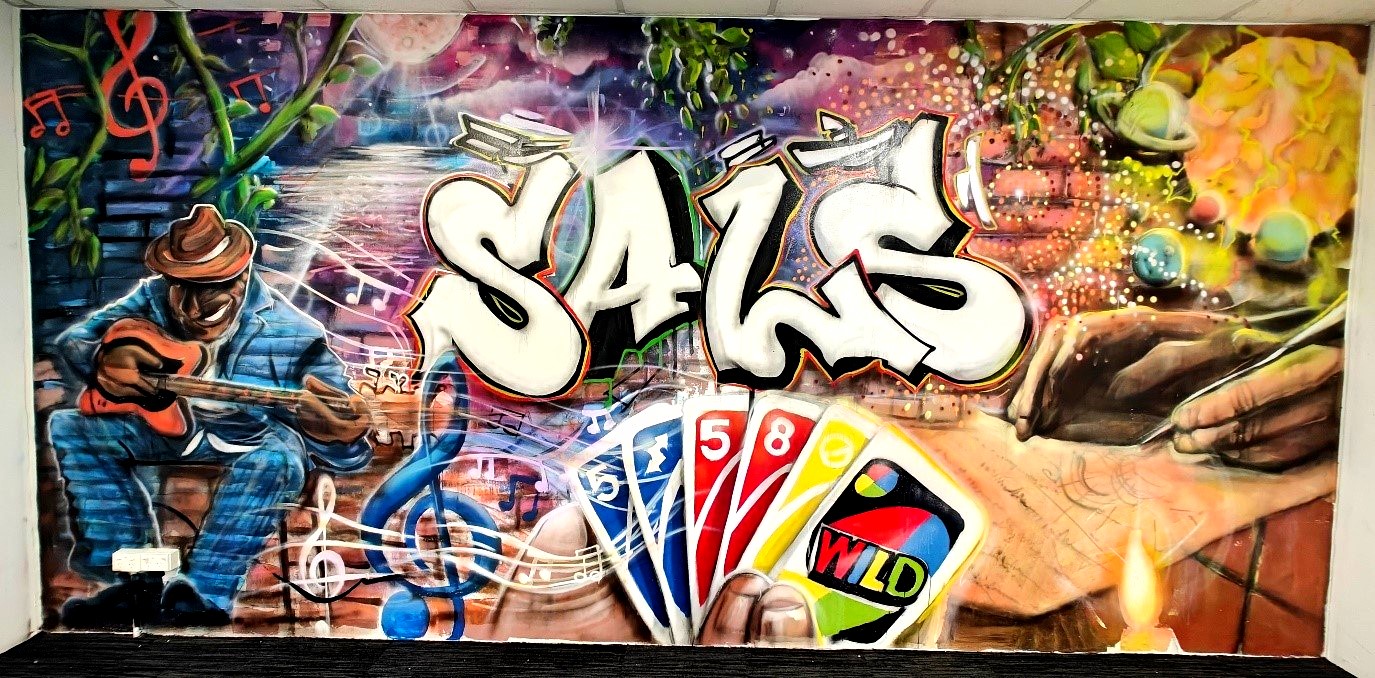
School Overview
The SALS program was originally established in early 2019 to target a specific cohort of students who present with complex and challenging behaviour and would benefit from a short-term, intensive intervention program. At the commencement of the 2022 academic year the program was consolidated as a stand-alone school. SALS delivers specialised activities and learning programs that build students' social skills and self-regulation in environments designed to effect positive and lasting change in their behaviour.
There are 13 SALS sites located in the metropolitan and regional education regions of Western Australia (one of which is our SALS Administration located in Padbury). Students are provided with an intensive, individualised program of support while they continue their education. There is a strong focus on developing students' social skills and ability to self-regulate. Learning and engagement is flexible, co-designed with students, culturally responsive and supports self-determination and interpersonal connection.
Context
The School of Alternative Learning Settings (SALS) provides targeted, individualised support programs for WA school students who have been excluded or are at high risk of exclusion for complex and challenging behaviours. SALS delivers specialised experiences and learning programs through a model of positive youth development that builds students' social skills, emotional regulation and sense of self. A key focus of the SALS program is co-designing learning and exploring a meaningful future with supported transition into the student's most appropriate pathway following the completion of a short-term customised program.
Culture Identity
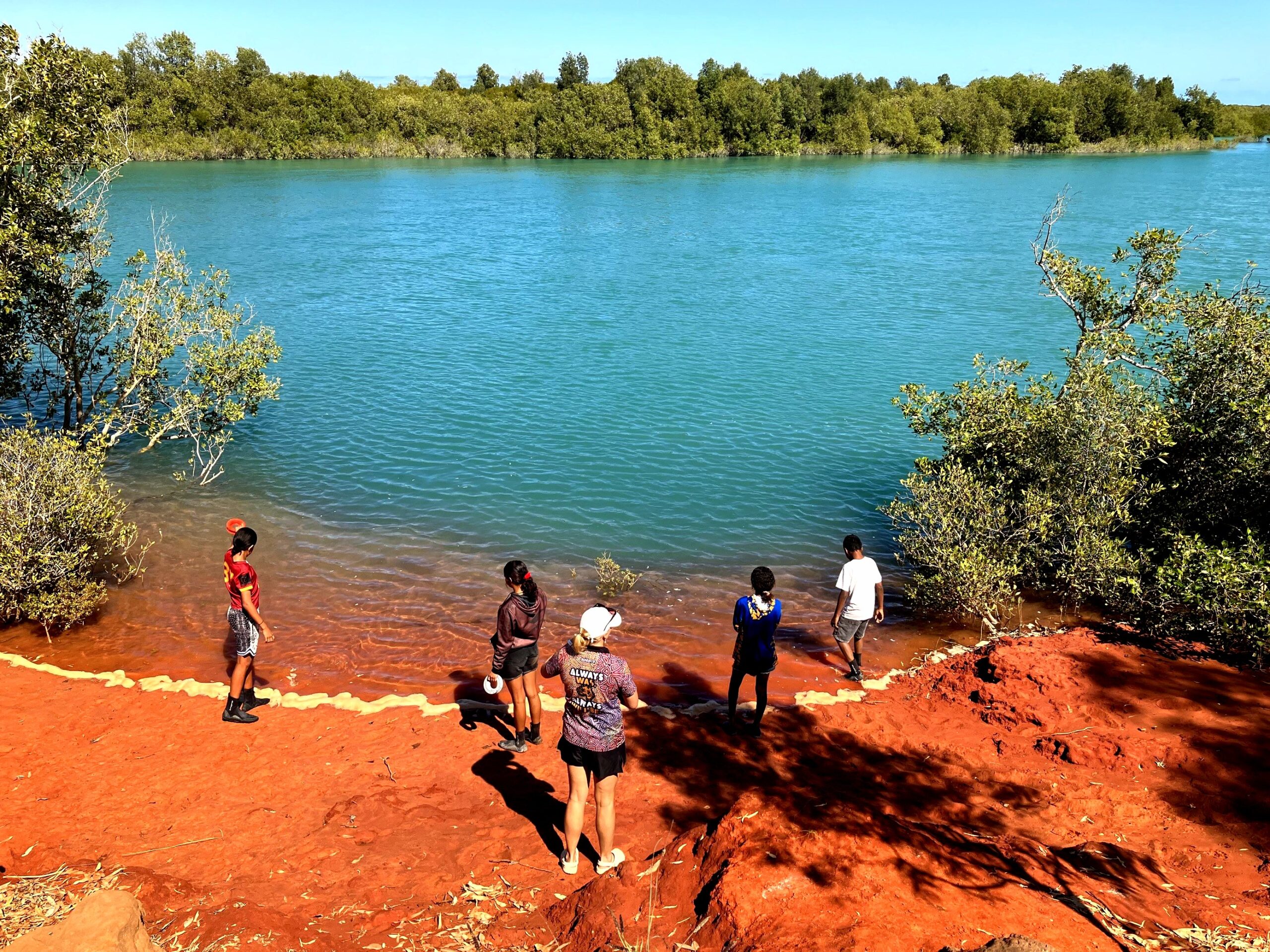
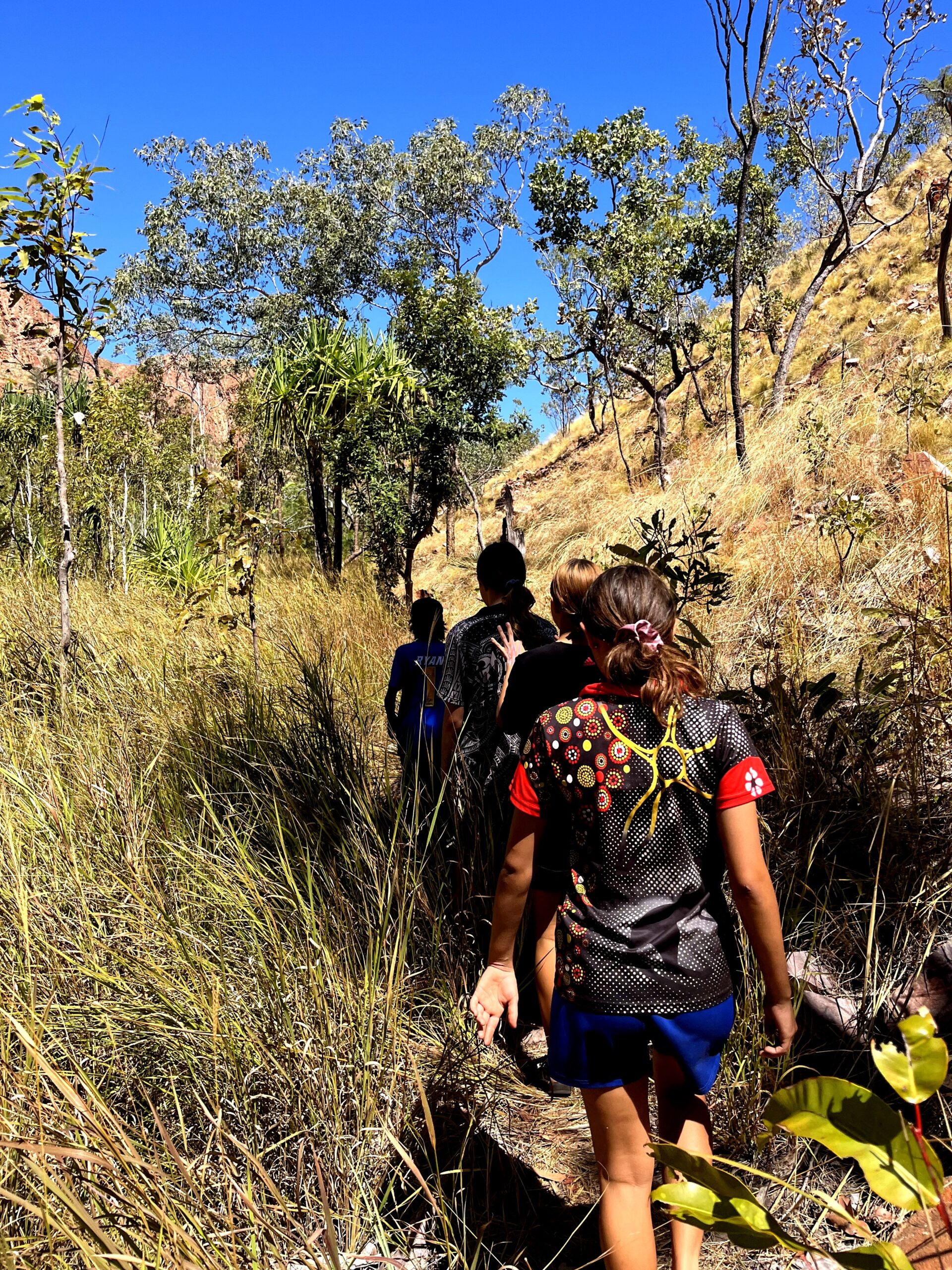
At SALS, we recognise that every young person's sense of identity, belonging and wellbeing is shaped by their relationships, culture, family, community and lived experiences. These influence how students experience learning, develop relationships and engage with school.
We are committed to creating culturally responsive learning environments where every student feels respected, valued and supported to achieve success. By working in partnership with students, families and communities, we seek to understand each young person's strengths, aspirations and unique context.
Our practice is guided by the Department of Education's Aboriginal Cultural Standards Framework and Social and Emotional Wellbeing (SEWB) model, reflecting our commitment to high expectations, strong relationships and culturally responsive practice for all students.